
- Case Study
Bredel hose pumps transfer abrasive slurry 24/7 at aluminum salt slag recovery plant
Two key aluminium slag recycling stages benefit from Bredel hose pumps
Two key aluminium slag recycling stages benefit from Bredel hose pumps
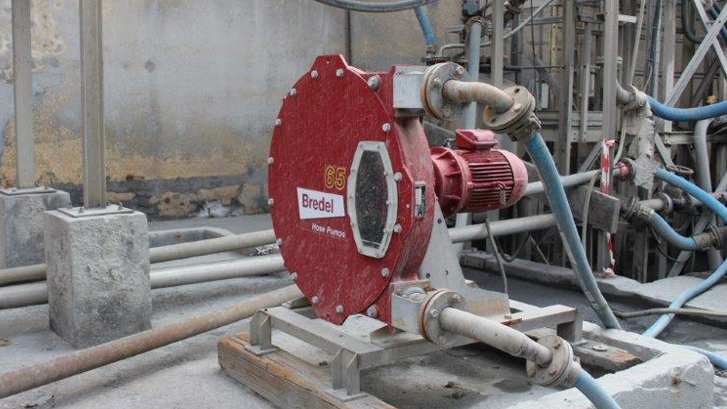 Bredel hose pumps transfer abrasive slurry 24/7 at aluminium salt slag recovery plant
RVA, a France-based company that specializes in the recovery of salt slag, a by-product of aluminium smelting, is leveraging the benefits of several Bredel hose pumps. A number of the pumps are used to transport an abrasive oxide slurry comprising a mix of liquid and solids, which is also high in temperature. However, due to the superior operating principle of Bredel hose pumps, along with their robust design, reliability is assured.
In the aluminium refining process, scrap is melted in rotary or reverberating furnaces under a bath of molten salt which floats on the metal surface. Molten aluminium and its salt cover are then tapped from the rotary drum surface. The final salt mix tapped from the furnace contains residual aluminium metal (around 5%) and various metal oxides, mainly aluminium oxide. This mixture solidifies in pans to become what is termed ‘salt slag’.
Salt slag is a hazardous waste which must be disposed of under controlled conditions. Historically, in Europe, aluminium salt slag was landfilled, but a combination of tighter environmental regulations and high landfill costs has ended this practice. Instead, the slag is recycled in dedicated plants such as the one operated by RVA.
Reprocessing is recognised across the EU as the best practicable environmental option for salt slag. RVA, which is located between Reims and Metz in northeast France, uses reprocessing technology that converts the slag from a waste stream to a source of essential raw materials. The plant is the only one of its type in the country.
Importantly, RVA’s slag recycling operation relies on a closed-loop process that makes minimal demands on the environment: there is no solid waste; water used for washing is recirculated; gaseous emissions are incinerated to harmless residues; and ammonia gas is neutralized by dedicated scrubbers. A proprietary computerized control system monitors the production process to ensure that key variables remain within pre-defined limits, while outputs meet stringent specifications.
The process comprises four stages, two of which employ Bredel hose pumps in the transfer of abrasive fluids. Firstly, salt slag is milled with optional recirculation to liberate aluminium using an eddy current separator, and iron via a magnet. Fine particulate from the mill plant is then removed by a de-duster device.
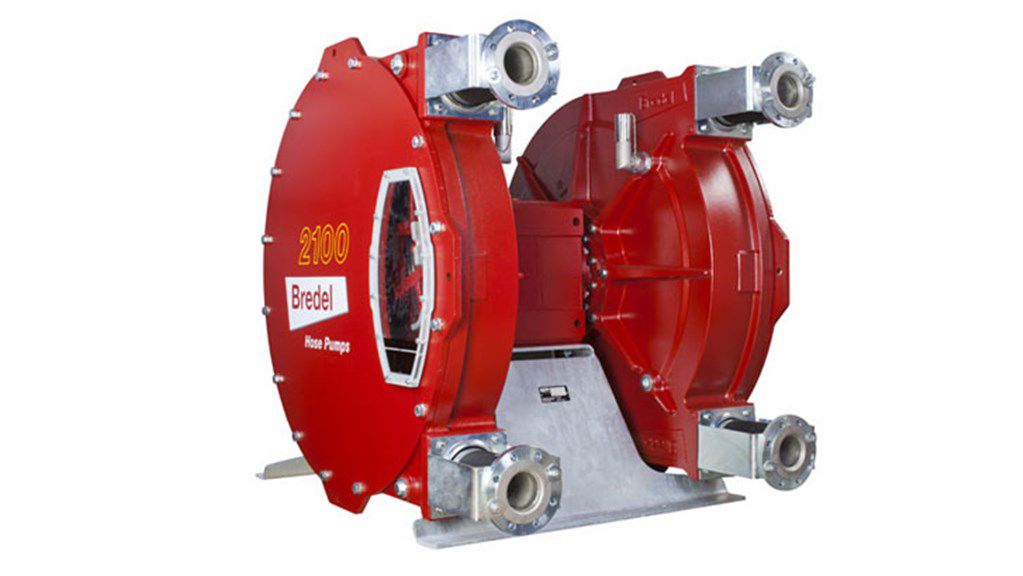
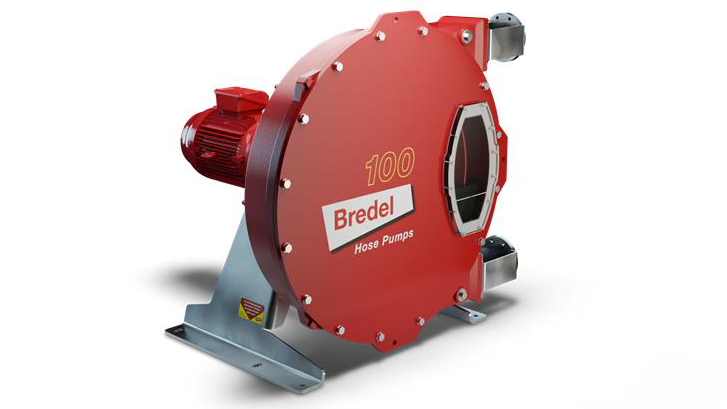
Next, the remaining salty material is introduced to a dissolution section where it is mixed with water (recovered later in the process). This brine-laden water is transferred by two high-flow Bredel 100 pumps into pressurized reaction vessels, before Bredel 65 and 40 pumps transfer aluminium oxide as a slurry to the reactors. This aluminium oxide is very abrasive and, at this stage, high in temperature. Gaseous reactants are produced, including hydrogen, methane and ammonia, which are incinerated and exhausted from the stack. Energy from the waste gases is recovered for use in other parts of the process.
Thirdly, residue from the reaction phase is conveyed to a belt filter. Here, brine and water are pumped out under vacuum using a Bredel 80, leaving a solid residue known as Valoxy. Clean water – along with water removed at the dissolution stage – are used to wash the solids.
In the final stage, the effluent brine continues to the crystallization section. Sodium chloride and potassium chloride are crystallized out of solution, initially separately and then in combination, to bring the salt mixture to the required specification. An in-line decanter increases the concentration of solids in the slurry, facilitating higher salt recovery. The final salt mixture is conveyed to storage bays for onward shipment.
RVA processes 110,000 tonnes of salt slag residue every year. This service is essential to sustainable environmental management, ensuring that salt slag, which otherwise would be transported great distances for disposal, is converted into three useful products (with zero solid waste).
Both the recovered aluminium granules/powders and salt are returned to the customer’s production process, while the third product, Valoxy, is a proprietary alumina-rich substance that can be used as an alternative to alumina and bauxite in applications such as cements, binders and bricks.
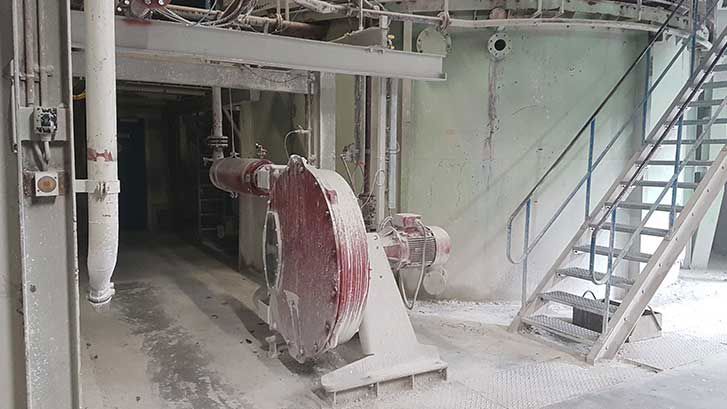
The Bredel pumps at RVA work 24 hours a day, seven days a week, proving their reliability and robustness in one of the harshest environment possible and allowing the customers’ process to run without unexpected downtime.
Product
Flow rates to 108000 L/h (475 GPM) and pressures up to 232 psi. Eliminate ancillary equipment.
Pumps - hose pumps
Case Study
Hose pumps replace PC and centrifugal pumps at concrete slab plants, with some pumps running...
Case Study
Case Study
View case study on Bredel hose pumps for hot abrasive slurry
Case Study
Case Study
A Bredel 100 hose pump with NR Transfer hose enables efficient, low-maintenance transfer of...
Case Study
To order a product or ask a question call +1 800 282 8823 or